Drain The Ocean Treasure ships the courts already ruled on
Mercedes, Black Swan, and why this wiki is not a loot guide.
“Sunken treasure” is the search term that brings many viewers to Drain the Oceans. Season 1’s “Sunken Treasures” hour and season 4’s “The Battle for the Black Swan” (2 August 2021) are the franchise’s main answers. The National Geographic episode embedded here is the network’s “Sunken Treasures” upload. This page explains the history and the court fight. It does not publish dive coordinates, coin values for resale, or advice on how to raise a wreck.
The Black Swan case is the modern template. In 2007 Odyssey Marine Exploration announced a deep recovery under that code name and brought hundreds of thousands of silver and gold coins into the United States. Spanish researchers argued the cargo belonged to the frigate Nuestra Señora de las Mercedes, a Spanish warship sunk by a British squadron off Portugal on 5 October 1804. U.S. courts eventually agreed. Estimates of the recovered haul commonly cited in reporting run on the order of 500,000 to about 594,000 coins, with contemporary valuations around half a billion U.S. dollars. In February 2012 the cargo was flown back to Spain. It is curated today at the National Museum of Subaquatic Archaeology (ARQVA) in Cartagena. Spanish-led archaeology later returned to the site at roughly 1,130 m depth — deep enough that ROVs, not sport divers, do the work.
Why a warship’s silver is not a private prize
Mercedes was a state vessel. Courts treated the wreck under sovereign-immunity principles rather than as abandoned commercial cargo free for the first finder. That distinction matters for every later “treasure ship” headline. A colonial merchantman, a privateer, and a navy frigate are different legal objects even when all three carried silver. Drain the Oceans dramatises the fight between salvage companies and heritage states; this wiki sides with the published court outcome and the museum, not with a treasure-map fantasy.
Depth is part of the story. At about 1,130 m the site sits far below recreational diving and far above hadal trenches. A drain CGI can show the debris field’s footprint — Odyssey’s surveyed scatter was reported on the order of hundreds of metres across — without pretending you could walk there. Compare that with Titanic at about 3,800 m, with shallow pirate ships on Caribbean shelves, and with harbour cities on sunken cities. Treasure hours often smash those scales together in a trailer; keep them separate when you read.
Season 1 treasure and the Spanish colonial system
“Sunken Treasures” is broader than one lawsuit. Spanish treasure fleets, Caribbean losses, and the long European habit of hunting colonial silver all feed the hour. Pair it with Spanish Armada when the search is 1588 rather than 1804: the Armada story is storm, politics, and Irish-shelf archaeology, not a single half-billion coin pile. Pair it with pirate ships when the hour is about raiders who attacked those same fleets. The economic system — Potosí and Lima silver, Atlantic convoys, wartime interception — is the real subject. Coins are evidence.
National Geographic’s drama is the collision of sonar, lawyers, and national pride. Last Pixel and 422 South can light a coin carpet; they cannot settle title. When an episode asks “who owns the Black Swan?”, the answer after 2012 is Spain, in a museum, under cultural-property rules that generally forbid selling the recovered cargo into private markets. That is the opposite of a loot guide, and this encyclopedia will keep it that way.
How to read a treasure hour on this wiki
Ask four questions. Was the ship a warship or a merchantman? What depth was actually surveyed? What did a court or heritage agency already decide? What is CGI versus ROV footage? How mapping works and the CGI drain method cover the last point. The episode guide places both treasure-related hours in the season lists. Wartime wrecks and Pearl Harbor are graves, not prize cases — do not mix their ethics with coin recovery.
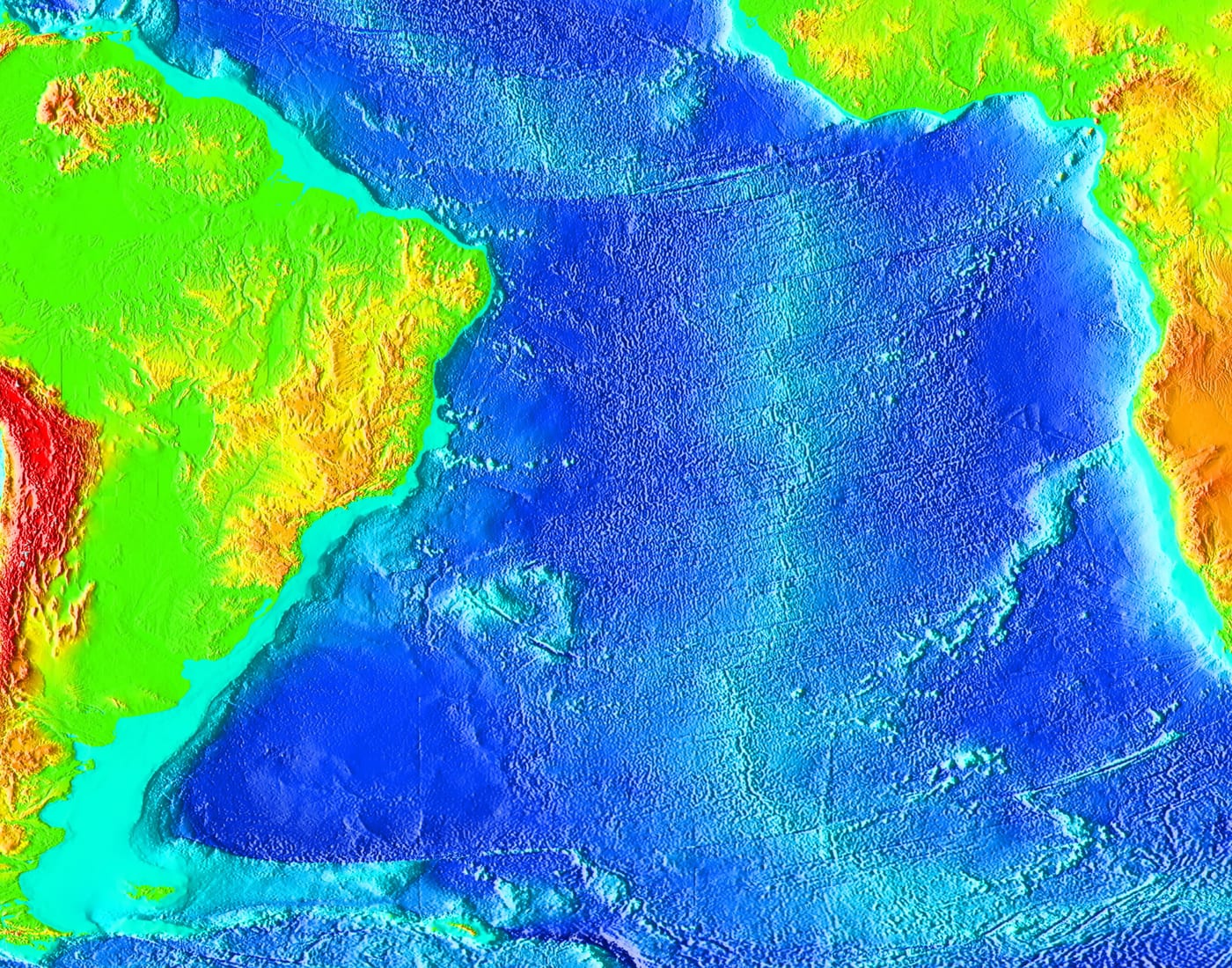
South Atlantic bathymetry on this hero is a basin stage, not a claim that Mercedes lies in the South Atlantic; the wreck is off Portugal in the approaches to the Strait of Gibraltar. The image is atmosphere for “Atlantic silver routes,” not a locator chart. For public grids without a wreck overlay, open maps and GEBCO and NOAA.
Sources: National Geographic “Sunken Treasures” and “The Battle for the Black Swan” episode descriptions; Wikipedia Black Swan Project and Nuestra Señora de las Mercedes pages; U.S. court reporting on the 2012 return to Spain; ARQVA / Spanish Ministry of Culture statements on curation and later deep archaeology near 1,130 m.
Frequently Asked Questions
Quick answers drawn from the pages on this wiki.
What was the Black Swan wreck?
Odyssey Marine’s code name for a 2007 recovery later ruled to be cargo from the Spanish frigate *Nuestra Señora de las Mercedes*, sunk 5 October 1804. Coins returned to Spain in 2012; now at ARQVA Cartagena.
How deep is the Mercedes site?
On the order of 1,130 m — ROV depth, not sport diving. See this page; compare Titanic at ~3,800 m.
Does this wiki publish treasure coordinates?
No. It summarises films, court history, and museum curation. Use official heritage agencies. Related: pirate ships, Spanish Armada.