Drain The Ocean Pirate ships on a drained Caribbean
Morgan, Kidd, and Blackbeard — wrecks told as archaeology, not treasure maps.
Season 3’s “Pirate Ships of the Caribbean” (26 May 2020 on The Futon Critic / Wikipedia tables) is the National Geographic hour that treats Golden Age piracy as a marine-archaeology problem. The episode, embedded in the middle of this page from National Geographic’s own YouTube channel, follows three named captains — Henry Morgan, William Kidd, and Edward Teach (Blackbeard) — and the hulls or debris fields that survive them. This wiki page is a reading companion to that hour and to the Port Royal material already collected under sunken cities. It is not a salvage guide, a coin list, or a “where to dig” map.
Henry Morgan’s 1671 Panama raid is the political story that opens many Caribbean pirate hours. Morgan’s force crossed the isthmus after using the Chagres River approach; ships associated with that campaign, including hulls lost on reefs near the river mouth, sit in shallow, coral-rich water where sonar and diver survey can still pick out cannon and timber. The drain CGI is useful here because a harbour or river-mouth scatter looks like a jumble until you lift the water and see slope, reef edge, and the path a seventeenth-century vessel would have taken. Morgan later became a colonial official in Jamaica. Port Royal, the town that hosted that world until the 1692 earthquake, is the city chapter of the same story — pair this page with sunken cities rather than treating Morgan as a cartoon treasure chest.
Captain Kidd and the identification problem
William Kidd’s career sits between licensed privateering and the piracy charge that hanged him. Drain hours that cover Kidd usually lean on wreck candidates and court records rather than a single perfect hull with a brass nameplate. Identification is the scientific drama: ballast, ceramics, and timber species versus a legend that grew after the trial. When the episode “identifies” a wreck, read that as an archaeological argument with a confidence level, not as a GPS pin for tourists. The Caribbean and western Atlantic shelves are littered with colonial-period losses; matching one to a famous name takes years of fieldwork that this encyclopedia will not second-guess from a sofa.
Blackbeard and Queen Anne’s Revenge
Edward Teach’s flagship Queen Anne’s Revenge — formerly the French slave ship La Concorde, taken in 1717 — is the best-known named pirate hull in North American waters. The wreck off Beaufort Inlet, North Carolina, has been excavated under state archaeological oversight since the mid-1990s. Public archaeology reports treat the identification as high confidence based on armament, dating, and historical fit, not as a treasure-hunt rumour. Blackbeard’s blockade of Charleston and his death at Ocracoke in 1718 are the narrative frame; the drained CGI is a way to show how a large armed ship sits on a sandbar once the water is gone. Cannons, medical gear, and hull structure are heritage objects. They belong in conservation labs and museum cases, not in a “loot value” sidebar.
That heritage framing is deliberate on this wiki. Drain the Oceans sells wonder; it does not grant a salvage licence. Many Caribbean wrecks are war graves, colonial graves, or protected sites under national law. Jamaica’s Port Royal, North Carolina’s Queen Anne’s Revenge project, and Spanish colonial wrecks elsewhere in the basin all sit under heritage regimes. If you came here looking for coordinates to dive with a metal detector, leave with the sources page and the official agency instead.
How this page fits the wrecks hub
Use pirate ships when the search term is Morgan, Kidd, Blackbeard, or “Caribbean pirate wreck.” Use sunken cities for Port Royal’s streets. Use treasure ships when the hour is about Spanish silver freighters and modern court cases such as the Black Swan / Nuestra Señora de las Mercedes dispute — a different legal and moral problem from Golden Age piracy. Use Spanish Armada for the 1588 Irish-shelf story. The episode guide places “Pirate Ships of the Caribbean” in season 3 beside Egypt’s sunken city and the atomic ghost fleet; the shared method is the drain, not a shared depth.
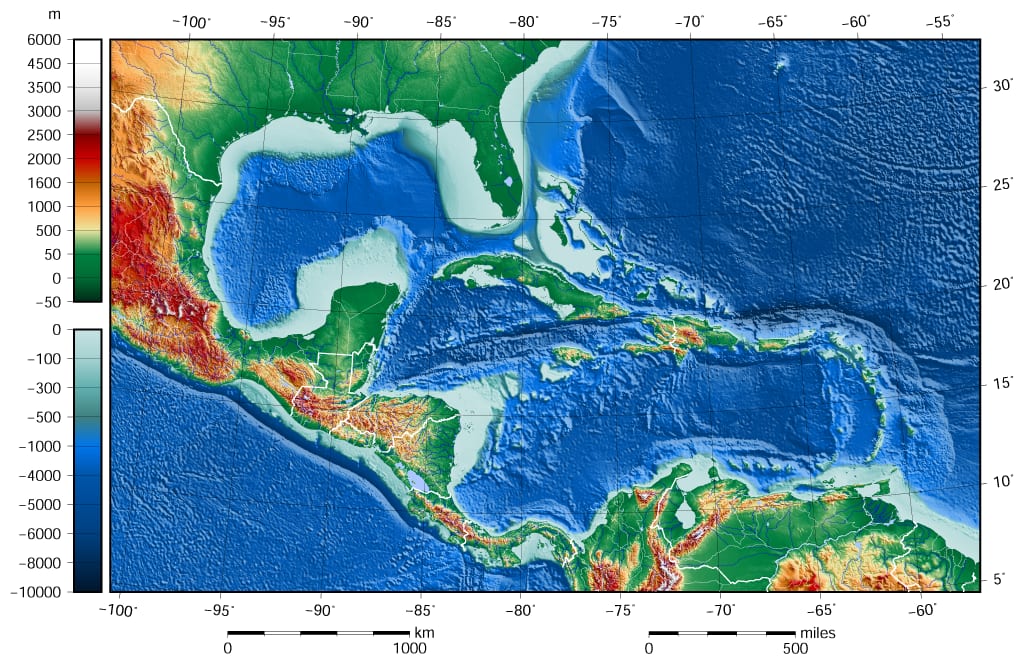
Caribbean bathymetry on this hero is shelf and basin, not Challenger Deep. Pirate hulls in the episode are shallow relative to Titanic. A 120 m ice-age drop would rearrange coasts in the region but would not “reveal” a mid-ocean trench full of galleons. Keep ice-age coasts and this page in different hands. For the sonar-to-CGI path that makes a cannon look walkable, read how mapping works and the CGI drain method.
Sources: National Geographic “Pirate Ships of the Caribbean” episode description and YouTube upload; Wikipedia Drain the Oceans episode tables citing The Futon Critic (26 May 2020); published archaeological summaries of Queen Anne’s Revenge; historical consensus on Morgan’s 1671 Panama campaign and Port Royal 1692.
Frequently Asked Questions
Quick answers drawn from the pages on this wiki.
Which Drain the Oceans episode covers Caribbean pirate ships?
Season 3’s “Pirate Ships of the Caribbean” (26 May 2020). The National Geographic full episode is embedded on this page. Catalogue: episode guide.
Is Queen Anne’s Revenge really Blackbeard’s ship?
Archaeologists treat the Beaufort Inlet wreck as a high-confidence identification of Teach’s flagship. It is a heritage excavation, not a treasure map. See this page.
How does this relate to Port Royal?
Port Royal is the sunken pirate-city companion story. Read sunken cities for the 1692 earthquake harbour; use this page for named ships.